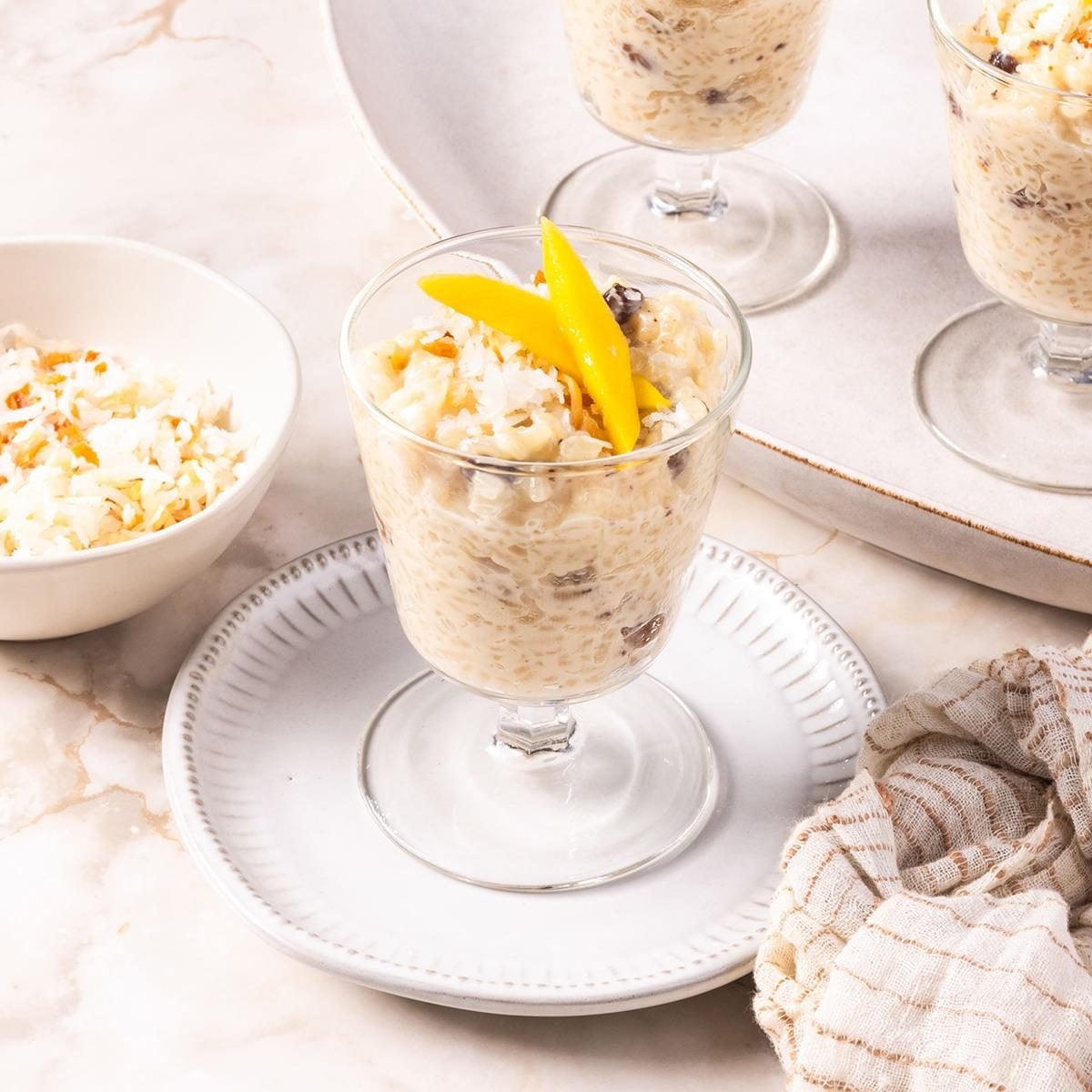
There's a universally comforting quality to a bowl of rice pudding, a dessert that evokes warmth, nostalgia, and simple pleasures. But when you infuse that classic comfort with the luscious richness of coconut milk, you elevate it to an entirely new level of tropical delight. Coconut rice pudding isn't just a dessert; it's an experience – creamy, dreamy, and utterly satisfying, whether enjoyed warm on a chilly evening or chilled as a refreshing treat on a sunny afternoon.
This exquisite dessert brings together tender grains of rice suspended in a velvety, sweet coconut-infused custard. It's a versatile dish that transitions effortlessly from a cozy family dessert to an elegant offering for guests. And the best part? It's surprisingly simple to create in your own kitchen, using just a few pantry staples.
The Irresistible Charm of Coconut Rice Pudding
What makes coconut rice pudding so uniquely appealing? It's the delightful fusion of textures and flavors. The humble rice grain transforms into something silken and tender, while the distinctive aroma and taste of coconut transport your senses to sun-drenched beaches. Unlike traditional rice pudding, which often relies solely on dairy for its richness, the addition of coconut milk introduces a depth and creaminess that is simply unparalleled.
This dessert strikes a perfect balance – it's sweet without being cloying, rich without being heavy, and profoundly comforting without being complicated. It’s also incredibly versatile. Serve it in elegant glasses topped with exotic fruits for a sophisticated finish, or spooned generously into bowls for a heartwarming family meal. Its ability to be prepared in advance also makes it a fantastic option for busy hosts looking for a stress-free yet impressive dessert. To learn more about the broader appeal of this delightful dish, you might find coconut rice pudding - Article 1 particularly insightful.
Crafting Perfection: Essential Ingredients and Smart Substitutions
The beauty of a great coconut rice pudding lies in the quality and balance of its core ingredients. While the recipe is straightforward, understanding the role of each component allows for informed choices and delicious variations.
Dairy Milk – The Foundation of Creaminess
For the most luxurious, creamy texture, whole milk is highly recommended. Its higher fat content contributes significantly to the pudding's richness. While lower-fat milk can be used, it might result in a slightly thinner consistency. Some recipes even experiment with a mix of whole milk and heavy cream for an ultra-indulgent version.
The Magic of Coconut Milk
This is where the tropical essence truly shines. Always opt for full-fat coconut milk for the creamiest, most flavorful pudding. The thick, rich cream from full-fat cans is essential for achieving that signature velvety texture. Unsweetened varieties are best, as they allow you to control the overall sweetness of the dish. Look for brands that have a high percentage of coconut extract and minimal additives for the purest flavor.
Sweetness to Taste
Granulated sugar is the standard choice, providing clean sweetness. However, the beauty of homemade pudding is that you can adjust the amount of sugar precisely to your preference. If you enjoy a less sweet dessert, start with less and add more if needed after the pudding has cooked. For those looking for alternatives, a touch of maple syrup or honey could introduce different flavor notes, but be mindful that they may alter the final consistency slightly.
Flavor Boosters – Vanilla and Beyond
Vanilla extract is a classic for a reason, enhancing the overall sweetness and adding a warm, inviting aroma. For an even more pronounced coconut flavor, consider using a combination of vanilla extract and coconut extract. Just a small amount of coconut extract can amplify the tropical notes significantly. Beyond these, don't shy away from experimenting with other spices like a pinch of cardamom, a dash of cinnamon, or even a hint of nutmeg for an extra layer of warmth and complexity.
The Right Rice
While the reference suggests basmati rice, which works wonderfully due to its fragrant and fluffy nature, other types of rice can also be used. Short-grain rice, like Arborio (often used for risotto), is excellent for rice pudding as it releases more starch, resulting in an even creamier consistency. Avoid long-grain parboiled or instant rice, as they tend to become too mushy or not absorb enough liquid to achieve the desired texture.
The Egg Factor
The combination of a whole large egg and an additional egg yolk is key for both enrichment and thickening. The egg yolk, in particular, adds extra richness and helps create that smooth, custard-like texture without making the pudding overly eggy. This small but mighty addition contributes significantly to the overall mouthfeel.
Step-by-Step: Your Guide to a Flawless Coconut Rice Pudding
Creating this creamy delicacy is a straightforward process, but paying attention to a few key steps will ensure a perfect result every time. For a more in-depth look at specific cooking techniques, you might want to check out coconut rice pudding - Article 2.
- Combine and Boil the Liquids: In a medium-sized, heavy-bottomed saucepan, combine 4 cups of whole milk, one 13-ounce can of full-fat unsweetened coconut milk, ¾ cup of granulated sugar, and a pinch of salt. Bring this mixture to a gentle boil over medium heat. It's crucial to keep a watchful eye during this stage, as milk can boil over quickly. Reduce the heat immediately once it starts boiling.
- Simmer the Rice to Tenderness: Once boiling, stir in ¾ cup of uncooked basmati rice. Reduce the heat to medium-low and allow it to simmer gently. This slow simmer is vital for the rice to absorb the liquids and become tender without breaking apart. Stir occasionally to prevent sticking, especially towards the bottom of the pan. This process typically takes about 30 minutes, or until the rice is perfectly tender and much of the liquid has been absorbed, resulting in a thick, porridge-like consistency.
- Prepare and Temper the Egg Mixture: While the rice is simmering, whisk together 1 large egg and 1 egg yolk in a small mixing bowl until well combined. Tempering the egg is a critical step to prevent it from scrambling when added to the hot pudding. To do this, slowly drizzle about ½ cup of the warm rice mixture into the whisked egg, whisking constantly. This gradually raises the temperature of the eggs without cooking them too quickly.
- Thicken with the Egg Mixture: Pour the tempered egg mixture back into the saucepan with the rice pudding. Whisk continuously over medium-low heat. The pudding will begin to thicken as the eggs cook and emulsify with the starches from the rice. Continue whisking until the mixture comes back to a gentle boil and visibly thickens, which usually takes only 1-2 minutes. This ensures the eggs are fully cooked and integrated.
- Add Final Flavoring and Cool: Remove the saucepan from the heat immediately. Stir in ½ teaspoon of vanilla extract. For an extra coconut kick, this is also the moment to add a dash of coconut extract if desired. Allow the pudding to cool down to room temperature. As it cools, it will continue to thicken.
Elevating Your Coconut Rice Pudding: Expert Tips and Serving Inspirations
While the basic recipe is fantastic, a few expert tips can elevate your coconut rice pudding from good to extraordinary. And when it comes to serving, the possibilities are endless!
Pro Tips for Success
- Prevent Scorching: Always use a heavy-bottomed saucepan to distribute heat evenly and reduce the risk of the milk scorching at the bottom. Stirring frequently, especially during the rice simmering phase, also helps immensely.
- Achieve Desired Consistency: If your pudding seems too thick after cooling, you can thin it out slightly with a splash of milk or coconut milk before serving. If it's too thin, a longer, gentler simmer (before adding the eggs) can help evaporate more liquid.
- Taste and Adjust Sweetness: While the recipe provides a good starting point, always taste and adjust the sweetness to your liking before serving, especially once it has cooled, as flavors can mellow.
- Chill for Best Texture: While delicious warm, chilling the pudding allows the flavors to meld and the texture to firm up, making it even creamier.
Creative Serving Suggestions
The beauty of coconut rice pudding lies in its versatility when it comes to garnishes and accompaniments:
- Toasted Coconut: A classic pairing! Sprinkle toasted sweetened coconut flakes or crunchy coconut chips on top for added texture and intensified coconut flavor. Toasting them in a dry pan until golden brings out their natural sweetness.
- Fresh Tropical Fruits: Sliced mango, pineapple chunks, passion fruit pulp, or fresh berries provide a vibrant contrast in color, flavor, and texture. A sprinkle of fresh lime zest can brighten the entire dish.
- Whipped Cream or Ice Cream: A dollop of freshly whipped cream or a scoop of vanilla (or even coconut) ice cream adds another layer of indulgence.
- Spiced Syrups: A drizzle of caramel sauce, a mango puree, or even a simple spiced syrup (e.g., infused with star anise or cinnamon) can add sophistication.
- Nuts and Seeds: Chopped macadamia nuts, pistachios, or even candied pecans can add a delightful crunch.
Beyond the Basics: Storage, Adaptations, and Nutritional Notes
This dessert is not only delicious but also incredibly practical for meal prep and adapting to various dietary needs.
Make-Ahead & Storage
Coconut rice pudding is an excellent make-ahead dessert. Once it has cooled to room temperature, transfer it to an airtight container and refrigerate it. It will keep beautifully for 3-4 days. When ready to serve, you can enjoy it chilled directly from the fridge, or gently reheat individual portions in the microwave or a saucepan with a splash of milk to restore its creamy consistency. Remember that it will thicken considerably in the fridge.
Dietary Adaptations
While this recipe uses whole milk and eggs, it's quite adaptable:
- Dairy-Free: For a completely dairy-free version, substitute the whole milk with an equal amount of plant-based milk such as almond milk, oat milk, or more full-fat coconut milk. Be aware that the texture might be slightly less rich without dairy.
- Vegan: To make it vegan, replace both the whole milk with a plant-based alternative and the egg/egg yolk. A common vegan egg substitute for puddings is a cornstarch slurry (1-2 tablespoons cornstarch mixed with cold water) added at the end, or even a flax egg. However, these will alter the richness and mouthfeel slightly.
- Sugar-Free: You can experiment with sugar substitutes like erythritol or stevia, adjusting to taste. Remember that the texture might be subtly different, as sugar also contributes to the body of the pudding.
Nutritional Snapshot
While a comforting dessert, coconut rice pudding, particularly with full-fat coconut milk and whole milk, is naturally rich. Coconut milk provides healthy fats, including medium-chain triglycerides (MCTs), which some studies suggest have various health benefits. The rice provides carbohydrates for energy, and the milk contributes calcium and protein. Enjoying it in moderation as a delightful treat is key.
Embrace the comfort and exotic allure of homemade coconut rice pudding. This recipe offers a unique blend of familiar coziness and tropical richness, making it a truly unforgettable dessert. Whether you're craving a warm hug in a bowl or a refreshing cool treat, this versatile pudding is sure to satisfy. With its simple ingredients and straightforward preparation, you're just a few steps away from indulging in this creamy, dreamy delight.
